Yala Peak Climbing
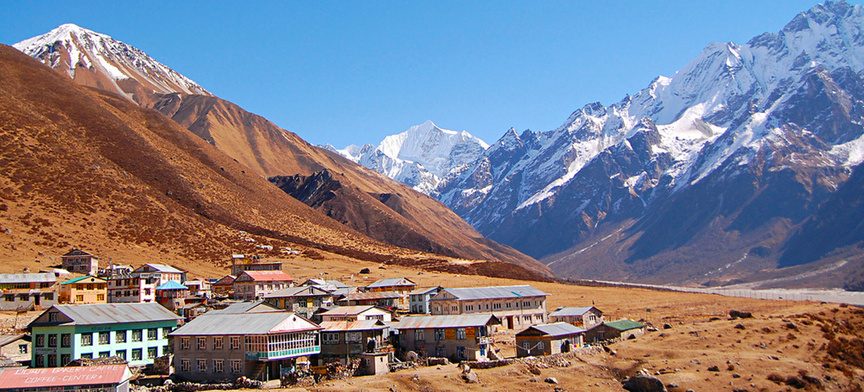
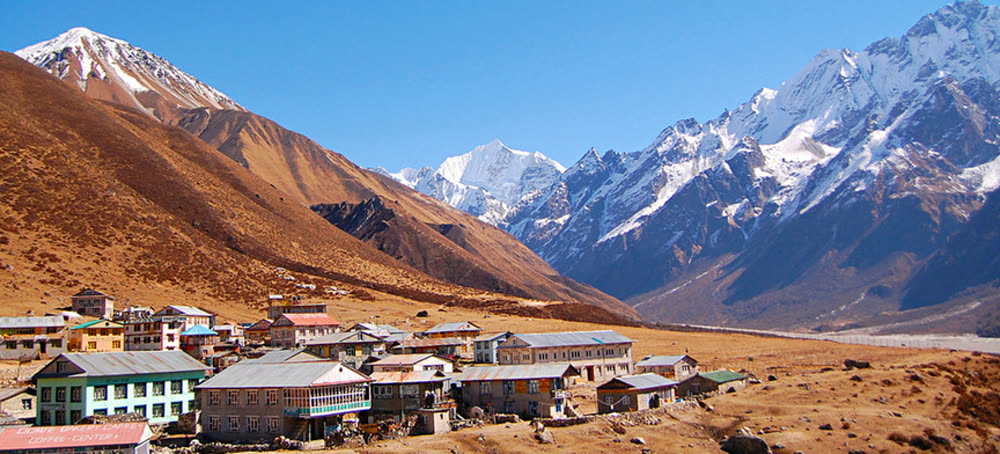
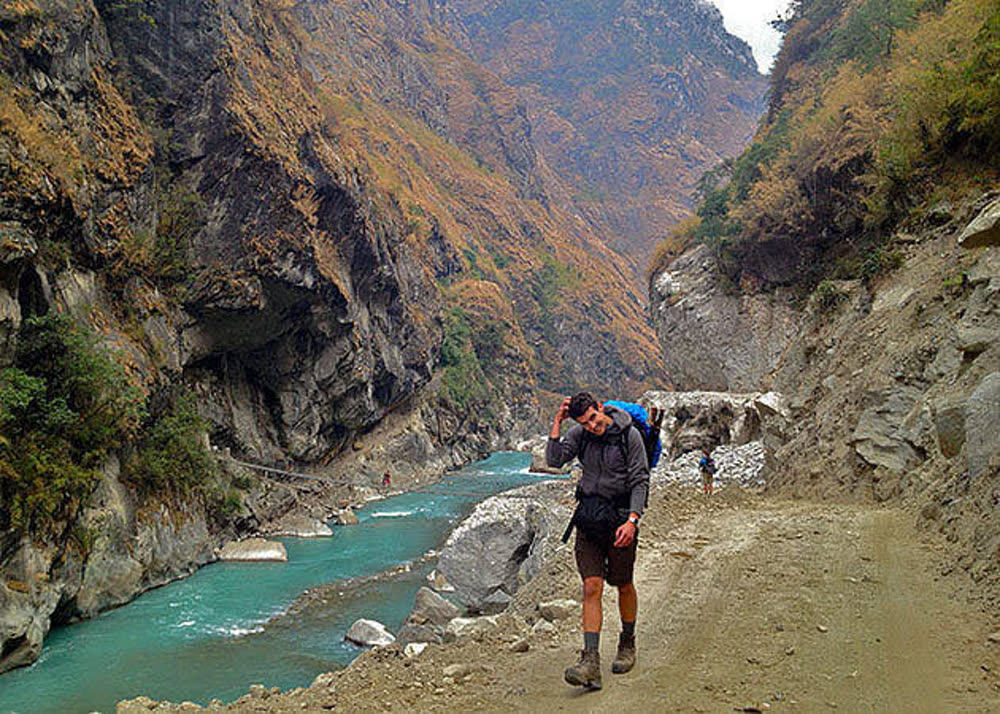
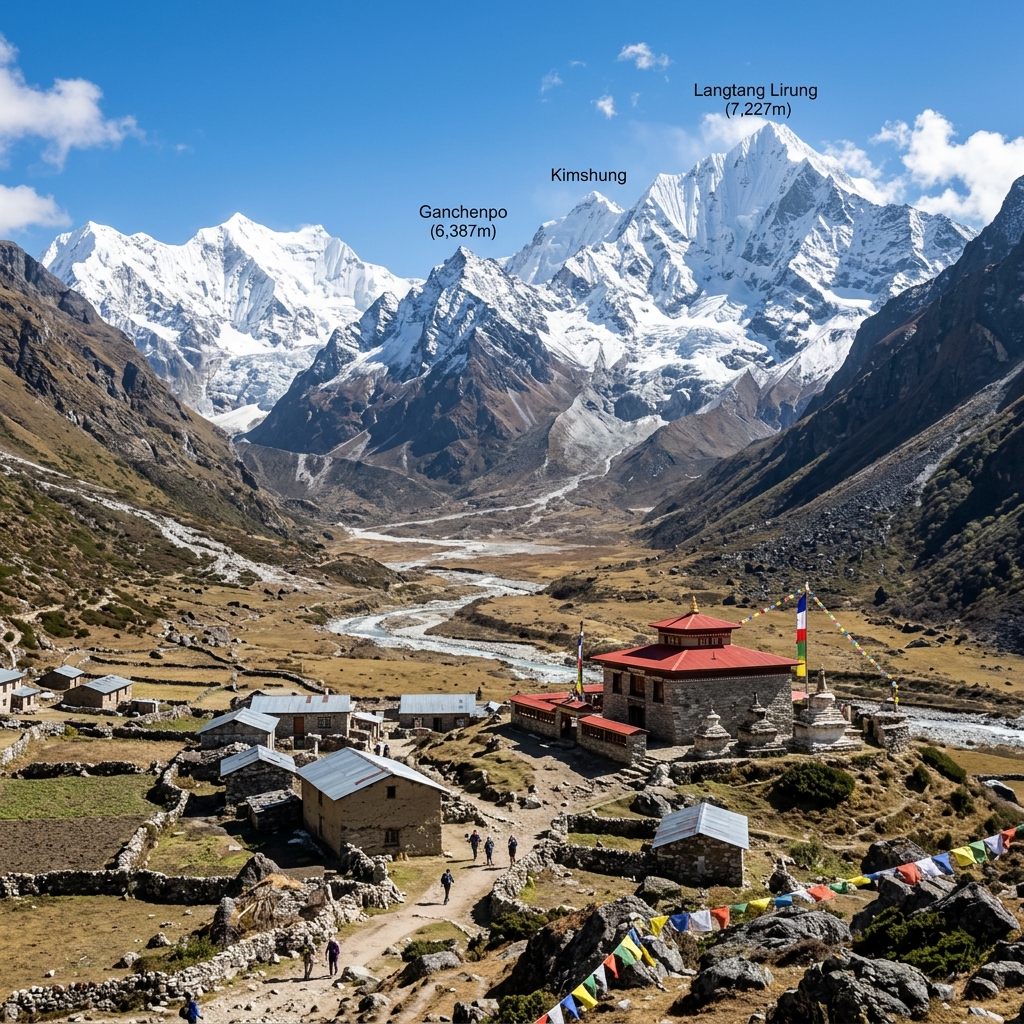
A short, friendly snow climb above Kyanjin Gompa with a summit view straight across the border into Tibet — the easiest real Himalayan peak there is.
Langtang National Park and local climbing permit
Beginner
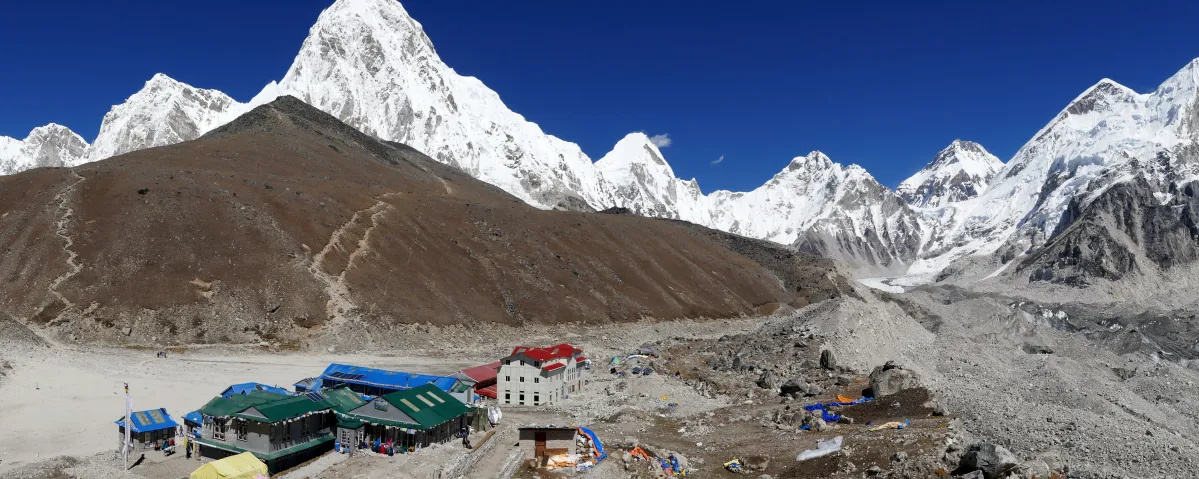
18 summits between 5,520 m and 6,812 m, in three honest categories — from a first Himalayan snow peak you can climb with no experience at all, to the hardest technical permits in the country. NMA permits, licensed climbing guides, gear hire and a real training day on snow, all included.
Your first Himalayan summit — real crampon work, no technical climbing.
5 Peaks in This Category
These are the peaks we put first-time climbers on. Every one of them is a genuine Himalayan summit above 5,500 metres, and none of them asks you to have climbed anything before: the routes are snow slopes and easy ridges, the technical skills are taught on the glacier during the trip, and the boots, crampons and axe can all be hired in Kathmandu.
A short, friendly snow climb above Kyanjin Gompa with a summit view straight across the border into Tibet — the easiest real Himalayan peak there is.
Langtang National Park and local climbing permit
Beginner
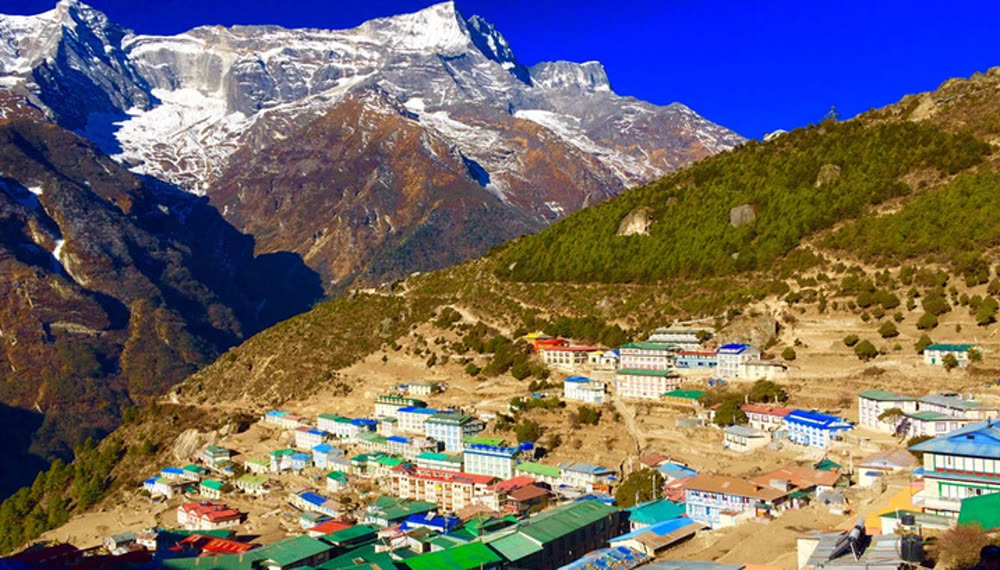
Khumbu, Everest Region
5,806 m
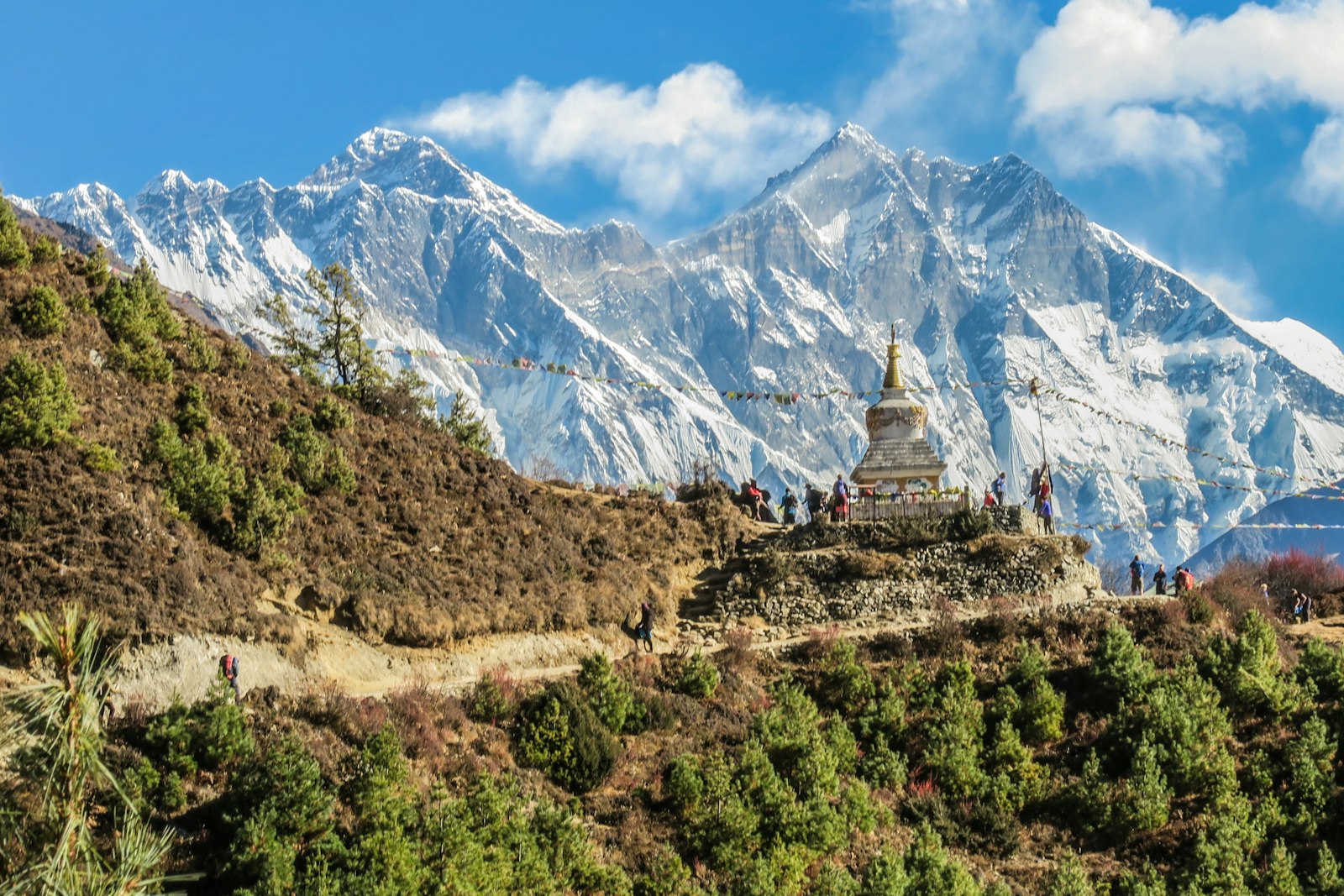
The lowest of the Khumbu climbing peaks, bolted onto an Everest Base Camp trek — a short rocky scramble and a snow ridge above the Kongma La.
NMA Group B trekking-peak permit
Beginner
Ganesh Himal, Central Nepal
5,896 m
A neat snow pyramid at the eastern edge of the Ganesh Himal, in a valley that sees almost no trekkers at all.
NMA Group B trekking-peak permit
Beginner–Moderate
Dhaulagiri, Western Nepal
6,012 m
One of the easiest 6,000 m summits in Nepal, reached across the French Pass and the extraordinary emptiness of Hidden Valley.
NMA climbing permit and Annapurna Conservation Area entry
Beginner–Moderate
The most approachable of the Chulu summits above Manang — a straightforward snow ridge, climbed as part of an Annapurna Circuit trek.
Climbed on the Chulu East (NMA Group B) permit
Beginner–Moderate
Fixed lines, glacier travel and a genuine summit headwall.
8 Peaks in This Category
A clear step up from a first snow summit. Expect roped travel across crevassed glaciers, a night at a high camp, an alpine start in the dark and a headwall or ridge climbed on fixed rope with a jumar. These are the peaks that qualify you for a 7000m permit, and the ones most climbers use to find out whether the bigger mountains are really for them.
Annapurna, Western Nepal
5,587 m
A compact climb directly beneath the fishtail ridge of Machhapuchhre, on the ridge line above one of the loveliest short treks in Nepal.
NMA Group B trekking-peak permit
Moderate
Langtang, Central Nepal
5,844 m
A glaciated ridge climb above the Langtang valley, reached over one of the more serious trekking passes in Nepal.
NMA Group B trekking-peak permit
Moderate
Rolwaling, Eastern Nepal
5,925 m
A glacier climb deep in the Rolwaling — the wildest valley in Nepal that still has a trekking-peak permit attached to it.
NMA Group B trekking-peak permit
Moderate–Hard
Annapurna, Nepal
6,091 m
A clean pyramid above the Manang valley, climbed as a summit day out of the Annapurna Circuit trek.
Run as a full expedition — see the Expeditions catalogue.
Moderate–Hard
Khumbu, Everest Region
6,119 m
A steep, elegant snow ridge above the Khumbu glacier, with the finest close-range Everest view of any peak on this page.
NMA Group B trekking-peak permit
Moderate–Hard
Khumbu, Everest Region
6,189 m
Nepal's best-known climbing peak — a crevassed glacier, a fixed-rope headwall and a knife-edge summit ridge under the Lhotse wall.
NMA Group B trekking-peak permit
Moderate–Hard
Hinku Valley, Nepal
6,476 m
Nepal's highest trekking peak, with a summit panorama that takes in five 8000m mountains at once — and no technical climbing.
Nepal’s highest trekking peak, run as a full expedition.
Moderate–Hard
Manang, Annapurna Region
6,584 m
The biggest of the Chulu summits and one of the highest peaks on an NMA trekking permit — two high camps and a long, cold summit day.
NMA Group B trekking-peak permit
Hard
Every climb is led by a government-licensed climbing guide, with a climbing Sherpa alongside you on summit day.
A full training day on snow before the summit push — crampons, axe, jumar and abseil — not a rushed briefing at the last lodge.
Our guides are instructed to turn a rope around when conditions stop being acceptable. That call is never held against you.
Nepal’s hardest permits under 7,000 metres — steep rock, ice and real exposure.
5 Peaks in This Category
Graded on difficulty rather than height. These summits involve sustained mixed climbing, two committing high camps and route-finding on ground where retreat is as serious as the ascent. We ask every applicant for a climbing resume before confirming a place, and we run these peaks in small teams with a high guide-to-climber ratio.
Khumbu, Everest Region
6,011 m
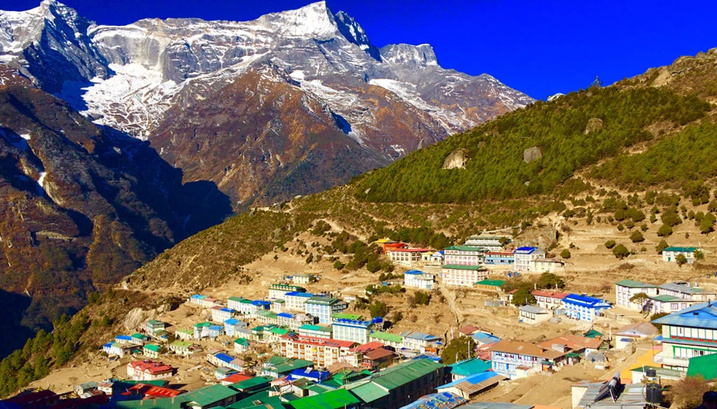
The serrated ridge that every trekker photographs from Namche Bazaar, and one of the most technical permits in the Khumbu.
NMA Group B trekking-peak permit
Technical / Very Hard
Khumbu, Everest Region
6,367 m
Widely considered the most difficult peak on the NMA trekking list — steep, committing and with a summit success rate that stays stubbornly low.
NMA Group B trekking-peak permit
Technical / Very Hard
Khumbu, Everest Region
6,440 m
A steep, elegant ridge on one of the most photographed faces in the Khumbu — a serious alpine objective under a full expedition permit.
NMA expedition-peak permit
Technical / Very Hard
Annapurna Sanctuary, Nepal
6,501 m
The steep, ice-fluted peak on the north side of the Annapurna Sanctuary — the hardest climbing permit in the Annapurna region.
NMA Group B trekking-peak permit
Technical / Very Hard
Khumbu, Nepal
6,812 m
The most beautiful mountain in the Khumbu and the finest technical climb at this altitude — granite, ice and the famous Yellow Tower.
A full expedition permit — see the Expeditions catalogue.
Technical / Very Hard
Almost nobody starts on a technical peak, and almost nobody needs to. This is the progression we actually recommend — each step earns you the experience the next one asks for.
A first summit where the crampons, the axe and the rope are all taught to you on the mountain. Two to three weeks, no prior climbing.
Beginner peaks 5,600 – 6,600 mFixed rope, a high camp and an alpine start. This is where you find out how your body handles a real summit day above 6,000 metres.
Intermediate peaks 6,000 – 6,900 mSteep rock and ice, two committing camps and a descent that needs as much planning as the climb. Alpine experience assumed.
Technical peaks 7,000 – 8,848 mHimlung, Manaslu, Cho Oyu and eventually the roof of the world. Six weeks, four high camps and a full Sherpa team behind you.
Browse expeditionsTell us what you have walked or climbed before, how much time you have and what you want out of the trip. We will tell you honestly which of these 18 summits fits — and which one does not, yet.